Bé Thoden van Velzen was an artist from Zwolle with a careful eye for people, animals and form. She made sculptures that feel quiet, strong and full of attention. With around 250 works, sculptor Bé Thoden van Velzen is well represented in the Fundatie Collection. This exhibition brings her work into focus, showing not only her sculptures, but also drawings, studies, watercolours and sketches.
An eventful life
Bé Thoden van Velzen was born in Zwolle in 1903 and died there in 1984. In 1927, she began studying at the Rijksakademie van beeldende kunsten in Amsterdam. One of her teachers there was Jan Bronner. His Hildebrand Monument can be seen in the garden of Museum de Fundatie in Heino. In Amsterdam, Thoden van Velzen met several models. One of them was Truus Trompert, a highly sought-after model whom she drew and modelled several times.
She also met Jimmy van der Lak, who worked as a model, waiter, dancer and actor, and also owned a boxing school. Thoden van Velzen made several works based on him, including a sculpture in stone. During the Second World War, Thoden van Velzen moved to Hattem. From 1949 onwards, she became involved in art education in Hattem and Zwolle. She taught modelling and sculpture at the drawing and painting school in Zwolle, the predecessor of the Vrije Academie.
Sculpting with care
Bé mainly made sculptures of people and animals. She worked with materials such as stone and bronze. Her sculptures often have calm, restrained forms. She paid close attention to posture, movement and character, which gives her work a strong sense of presence and sensitivity. Bé Thoden van Velzen wrote:
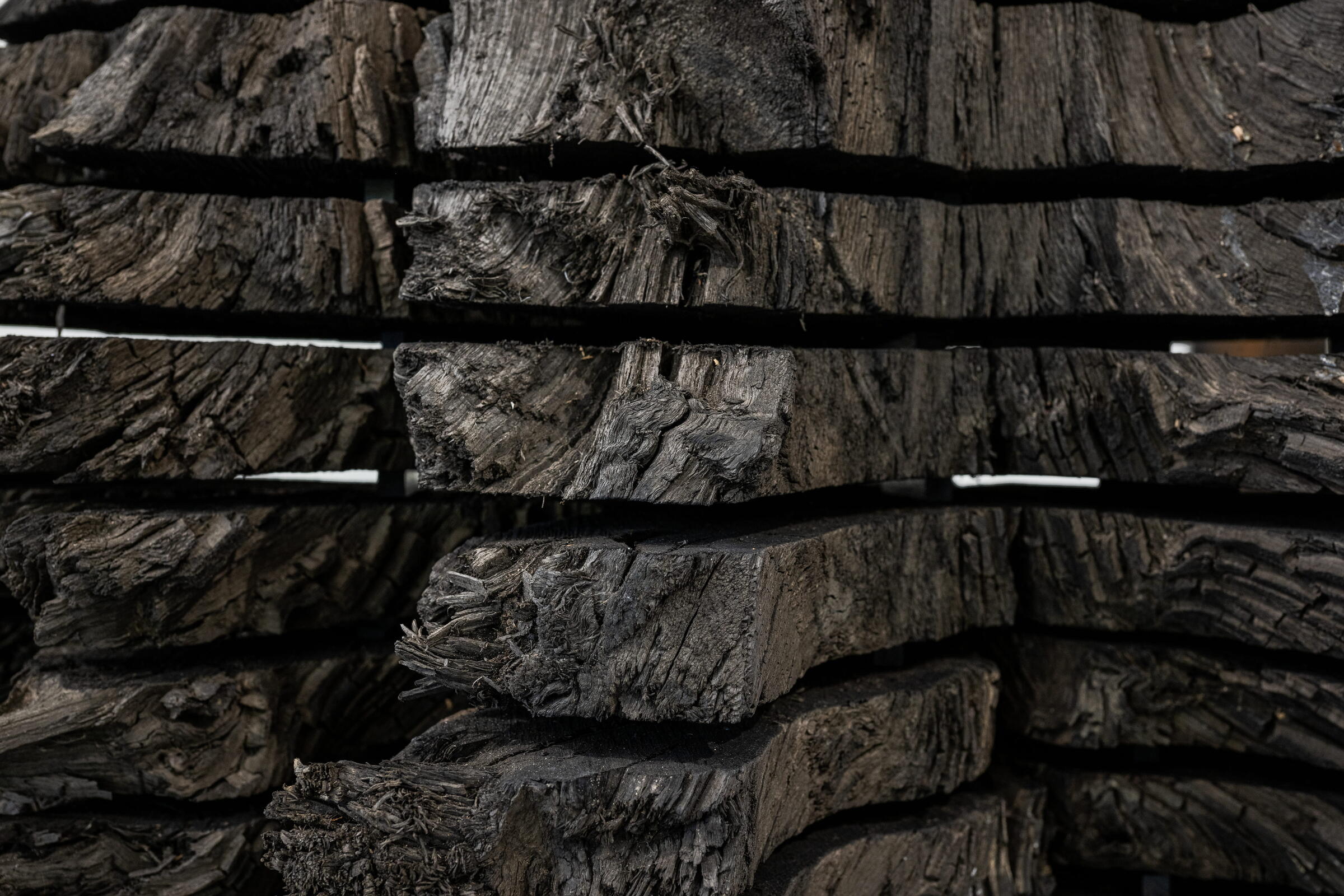
'I love hard materials. Hard material — natural stone, pine, oak, marble — is a challenge to me. There is only one way forward. If you make a mistake, there is no way back. I can completely lose myself in it, and with these hard materials I achieve far more than I ever could with clay. Clay is never really finished; you can keep shaping and reshaping it. That really takes away some of the tension.'
A large part of her work later entered the collection of Museum de Fundatie through a donation from Mr Beernink from Hattem. Thoden van Velzen is best known for her sculptures in public spaces, including the Resistance Monument in Zelhem and the Memorial Monument on Texel. She also made many sculptures of the human body.