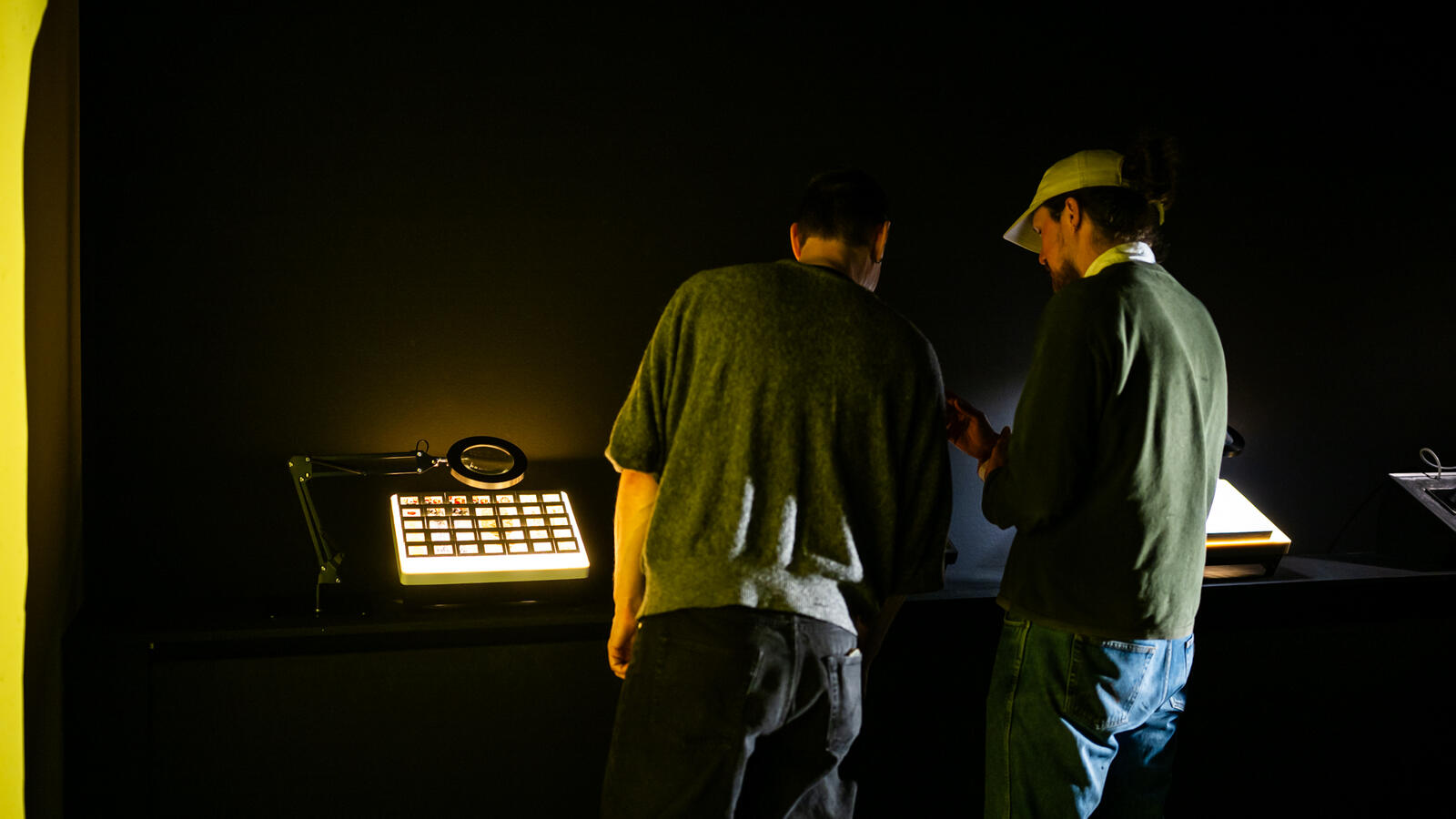
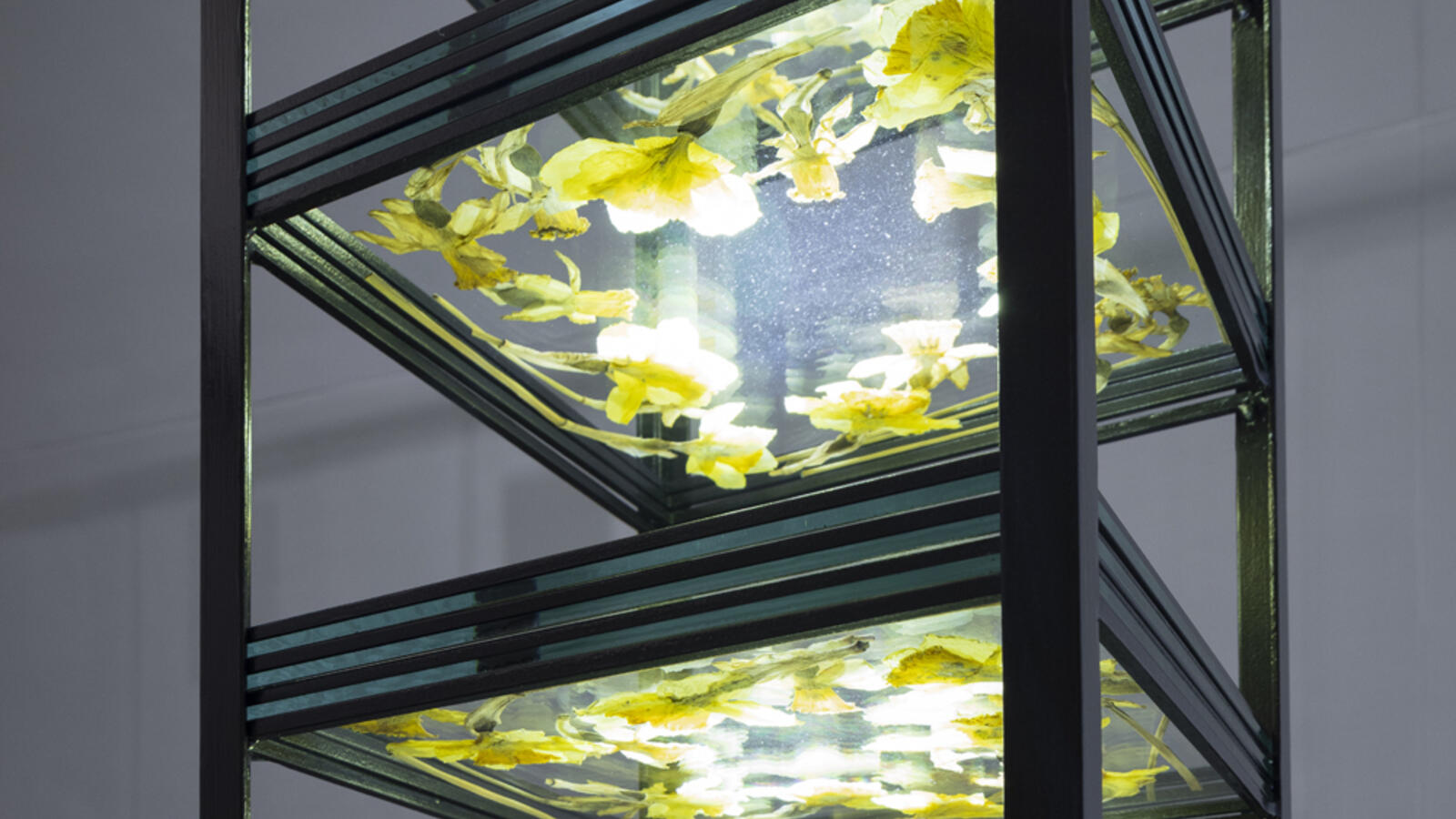
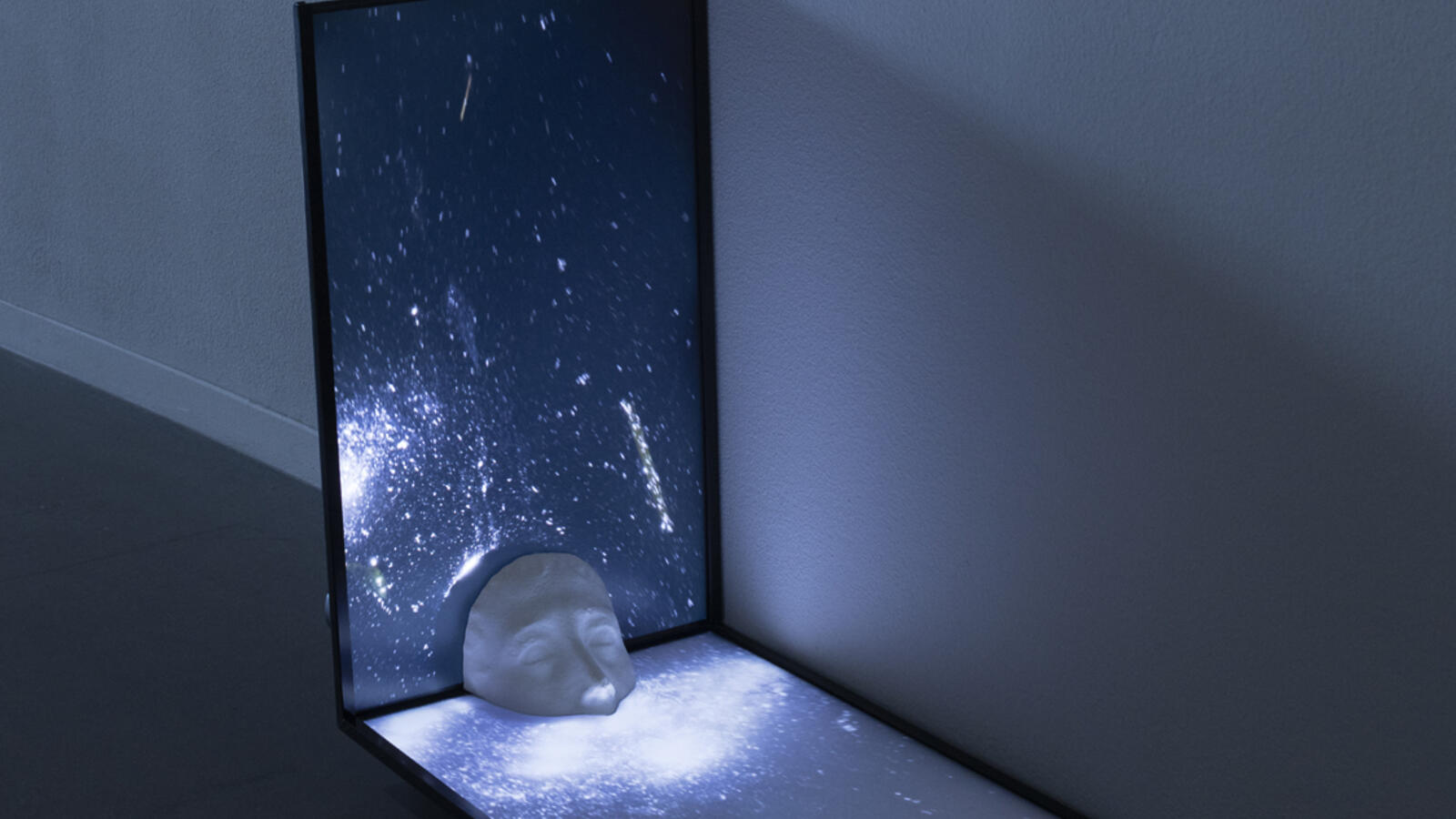
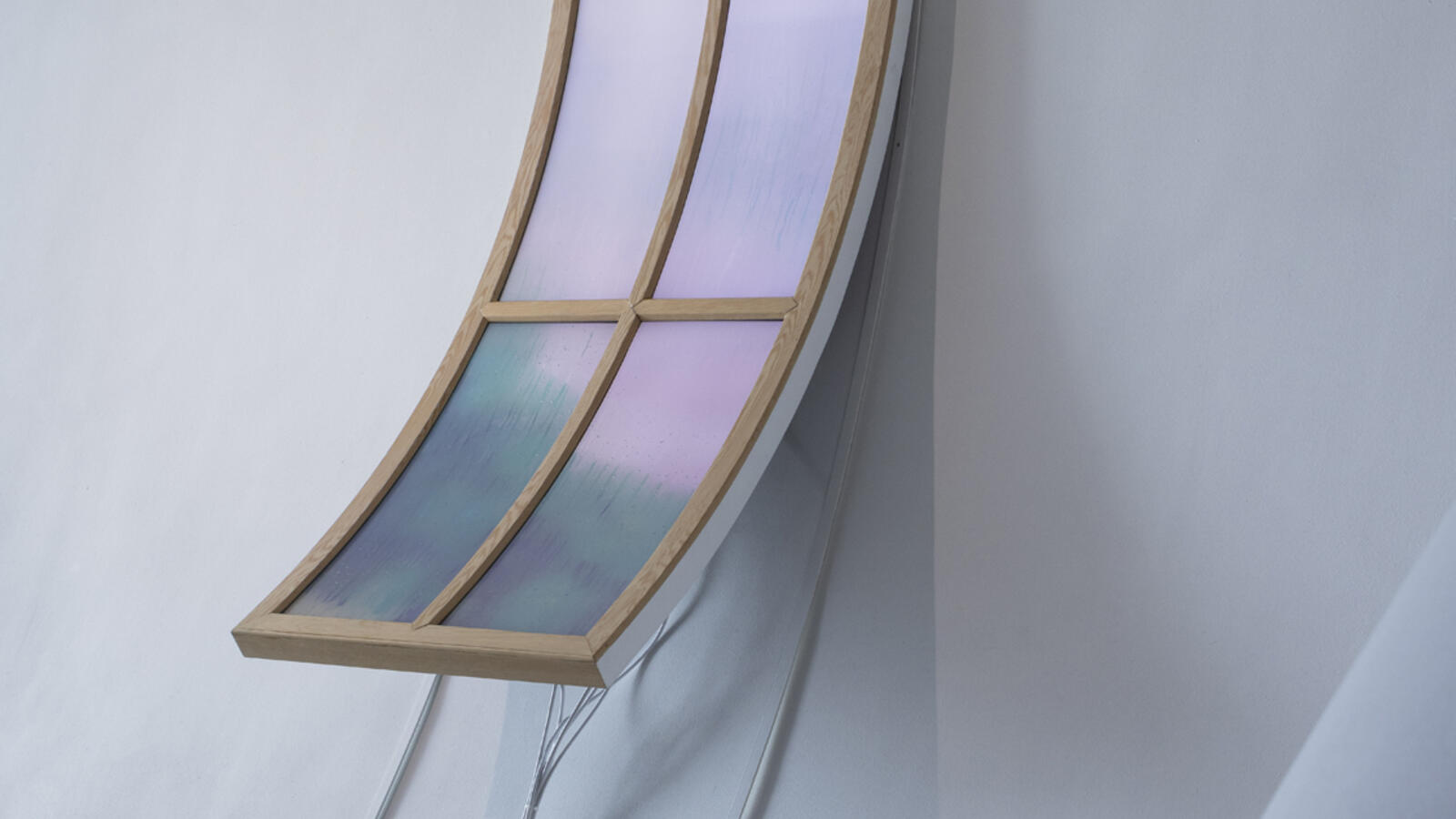
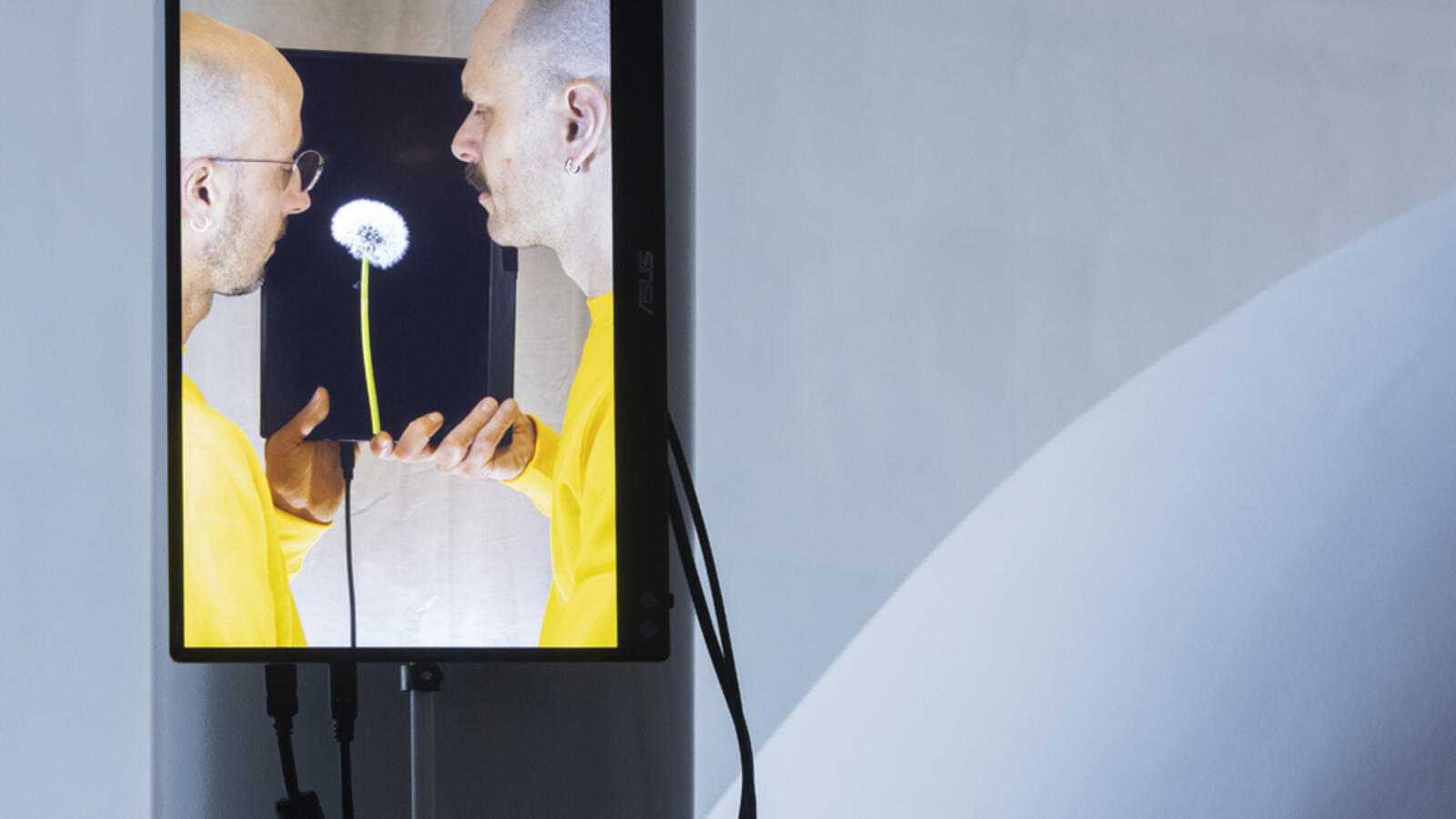
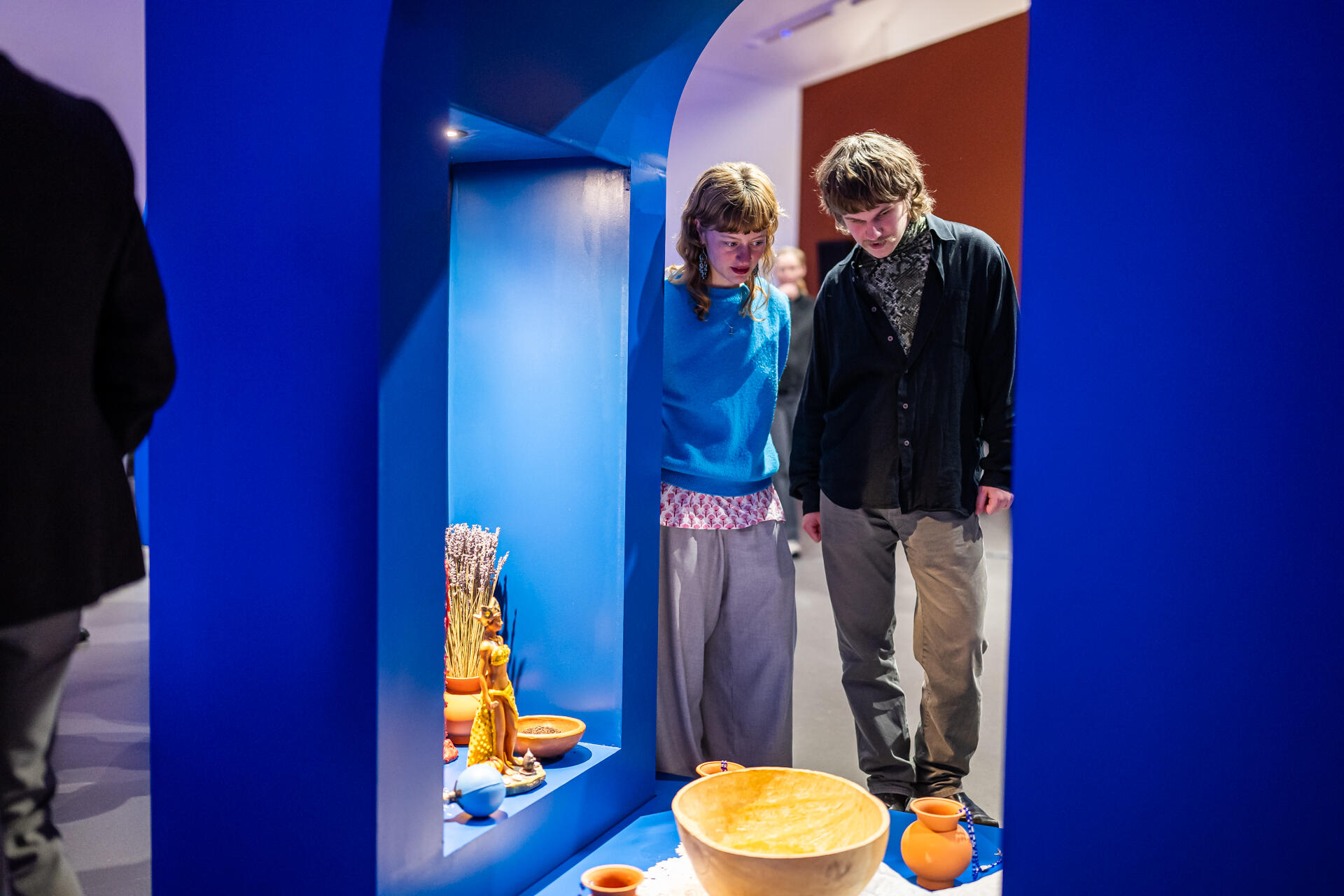
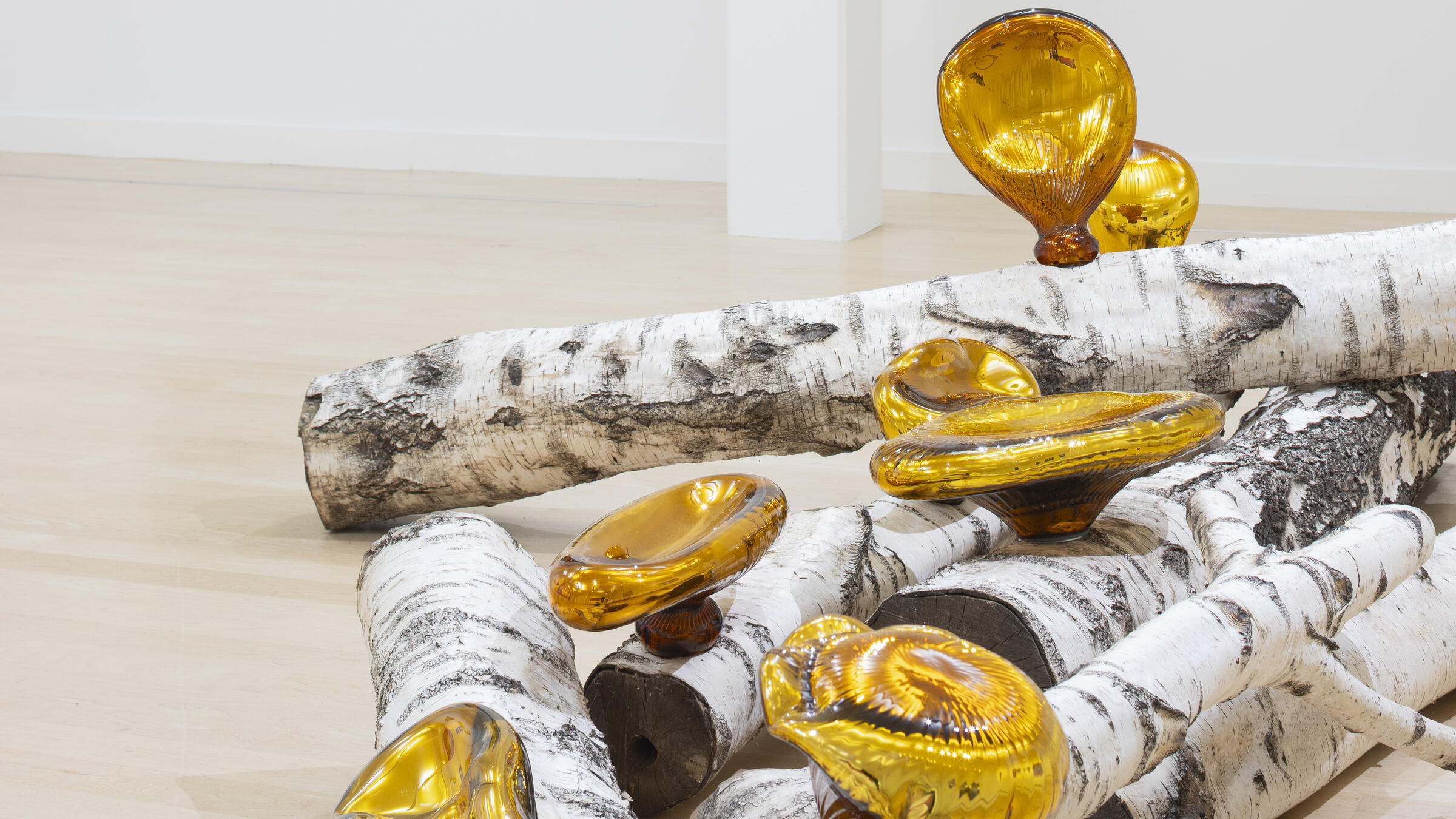
In Umbild, Jules van Hulst and Wieger Steenhuis create a new world through media installations. They take inspiration from three works by Flemish Symbolists. Combining digital techniques and art is a challenge: how can this be done without losing artistic value? Can existing works be represented without committing plagiarism?
Restructure
The title Umbild is a German word that refers to changing or transforming an image. In this way, the title symbolises the experimental character of the exhibition, in which different forms flow into one another, and in which you are sometimes a visitor and sometimes a participant. In various works, Van Hulst and Steenhuis explore the possibilities and limitations of bringing digital techniques and art together.
For this project, they present three works from the museum collection in a new way, now in the form of different media installations. During a year-long master’s trajectory at makers’ house VAKTOR, Van Hulst and Steenhuis experimented with this idea. The works are by Flemish Symbolists: George Minne, James Ensor and Valerius de Saedeleer. The focus on Symbolism is a deliberate choice: the Symbolists, too, searched for deeper and new meanings, and for ways to open up new worlds.
For the Symbolists, Charles Baudelaire’s 1857 poetry collection Les Fleurs du Mal (The Flowers of Evil) was an important point of departure. In it, Baudelaire expresses the duality of human existence: the dark, heavy, melancholic side, set against the longing for perfection. This inner conflict also recurs throughout the media installations by Van Hulst and Steenhuis. They, too, use the senses to convey deeper meanings and allow form and content to merge.